
Zone-Zero

Protecting families and homes from wildfire embers
What the 0–5 foot ember-resistant zone around your home requires, and how aluminum meets it.
Get a Zone-Zero AssessmentWhat is Zone-Zero, and why does it matter?
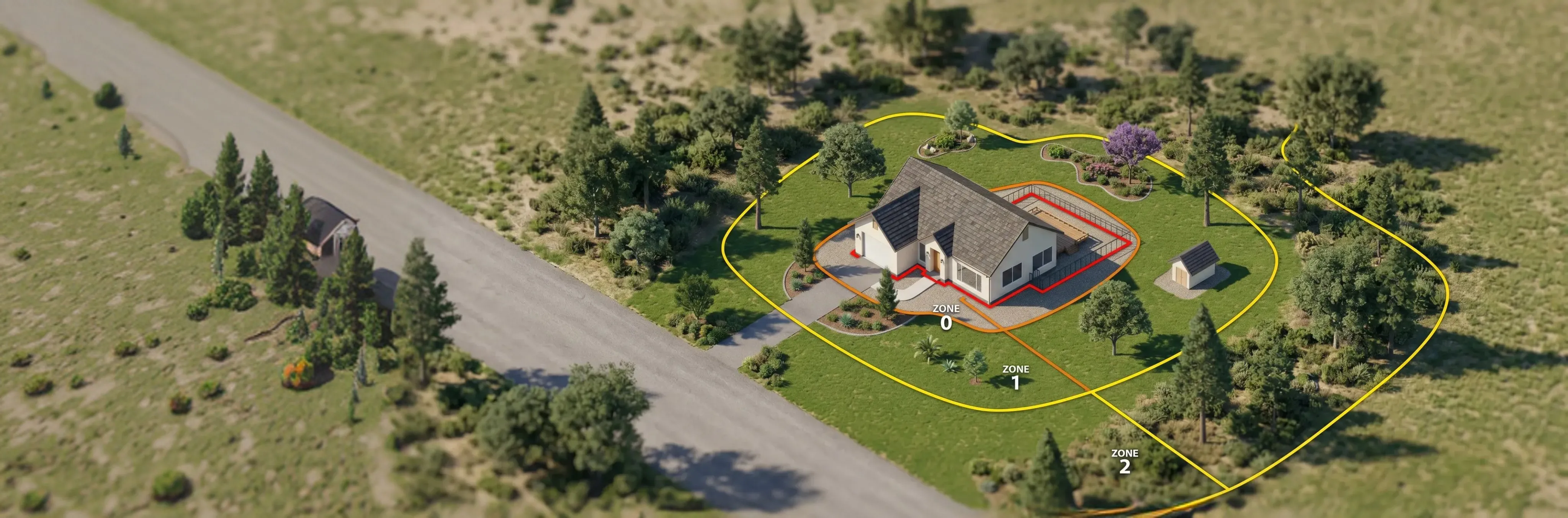
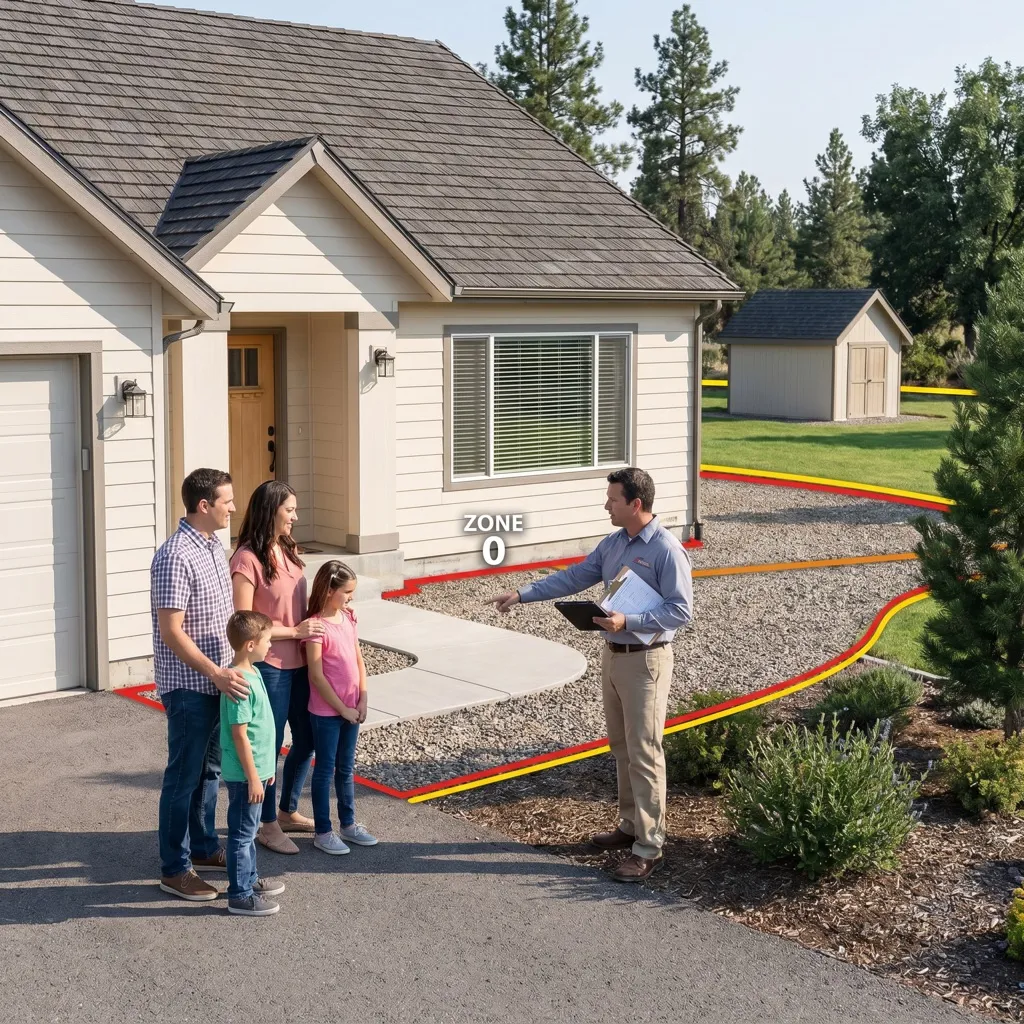
Zone-Zero is the first five feet around your home, and it is the most critical part of defensible space as defined by the California Board of Forestry and Fire Protection. It exists because of ember attack: wind carries burning material ahead of a fire, and what those embers land on decides whether your house catches. The zone calls for non-combustible materials, hardscaping, and the removal of fuel sources.
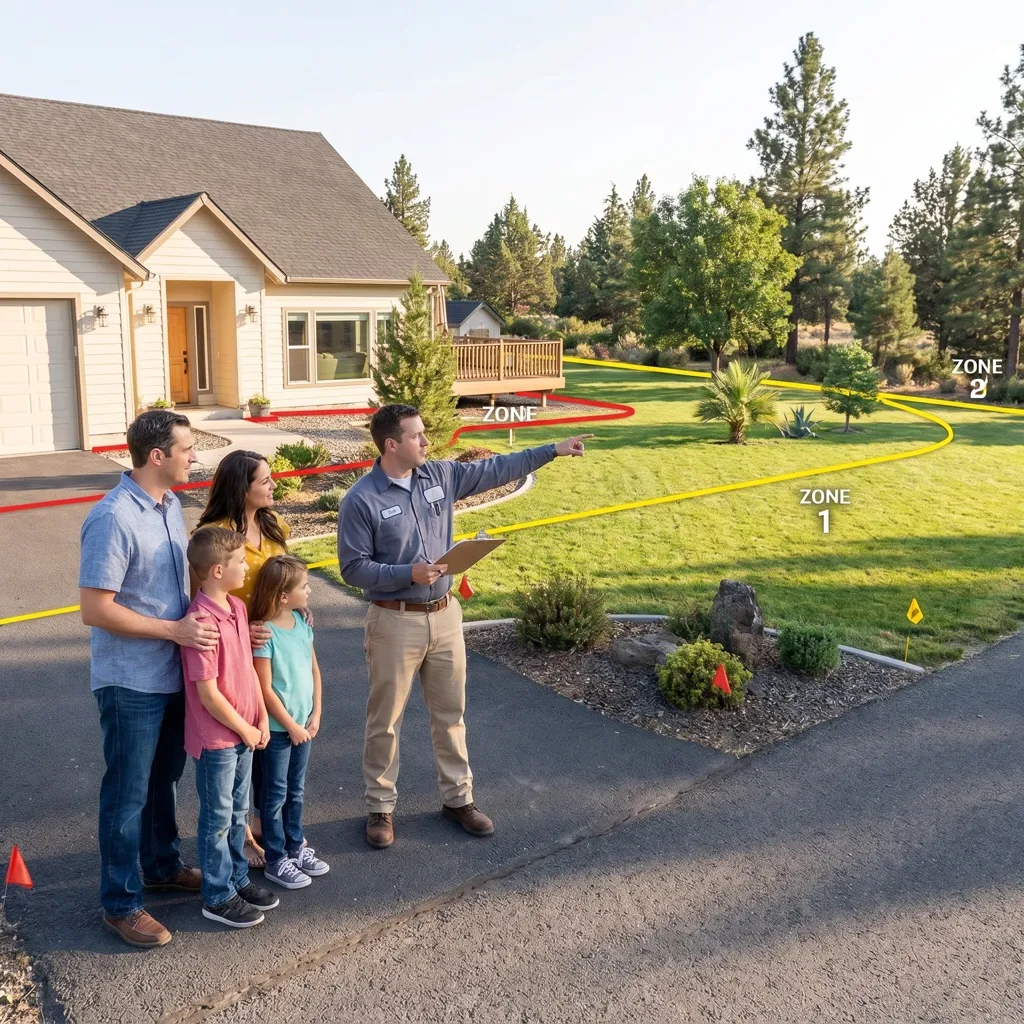
How it fits with Zones 1 and 2At a glance
- Starts at the wall and runs five feet out
- The most critical of the three defensible space zones
- Calls for non-combustible materials
- Rules finalised December 2025
Fuel reduction
Tree thinning and fuel load removal. Slows the fire's approach and buys time for evacuation and emergency response.
Spacing
Vegetation spacing and clearance. Creates the separation that slows ember spread and cuts the fuel available close in.
Ember-resistant
Non-combustible materials only. Stops embers before they reach the structure, which is where most home ignitions begin.
Zone-Zero within defensible space
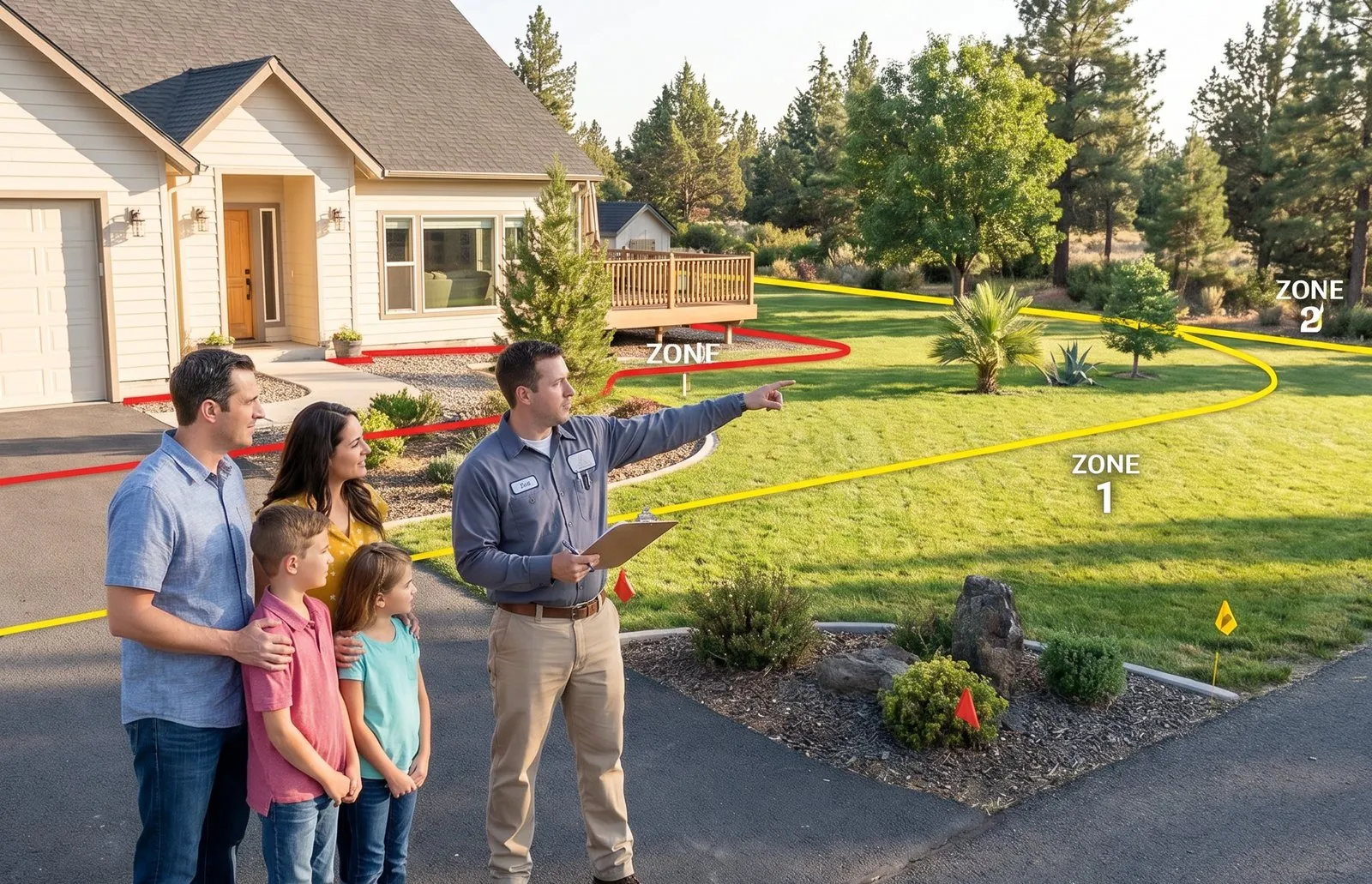
All three zones work as one system. Zone-Zero stops embers before they ignite the house. Zone 1 creates the spacing that slows their spread and reduces the fuel available. Zone 2 slows the fire's approach, which is what buys time for evacuation and for crews to arrive.
Together they cut a home's ignition risk sharply. Zone-Zero is the decisive one, because the majority of home ignitions start in that first five feet. It is your last line of defence and the only one where the material itself settles the outcome.
How Zone-Zero became law
Source: California Board of Forestry and Fire Protection
- 2017
The Santa Rosa fires
Losses across Sonoma County push serious research into how houses actually ignite during a wildfire, and how much of it starts with embers rather than flame front.
- 2020
AB 3074 passes
The statute creates an ember-resistant zone in the first five feet around a structure, and directs the Board of Forestry and Fire Protection to write the rules for it.
- Dec 2025
Rules finalise
The Board finalises the Zone-Zero regulations, setting what the first five feet has to look like.
- 2026–27
Enforcement begins
Local enforcement starts. Most fire departments have signalled an education-first approach initially rather than penalties.
How materials behave in the first five feet
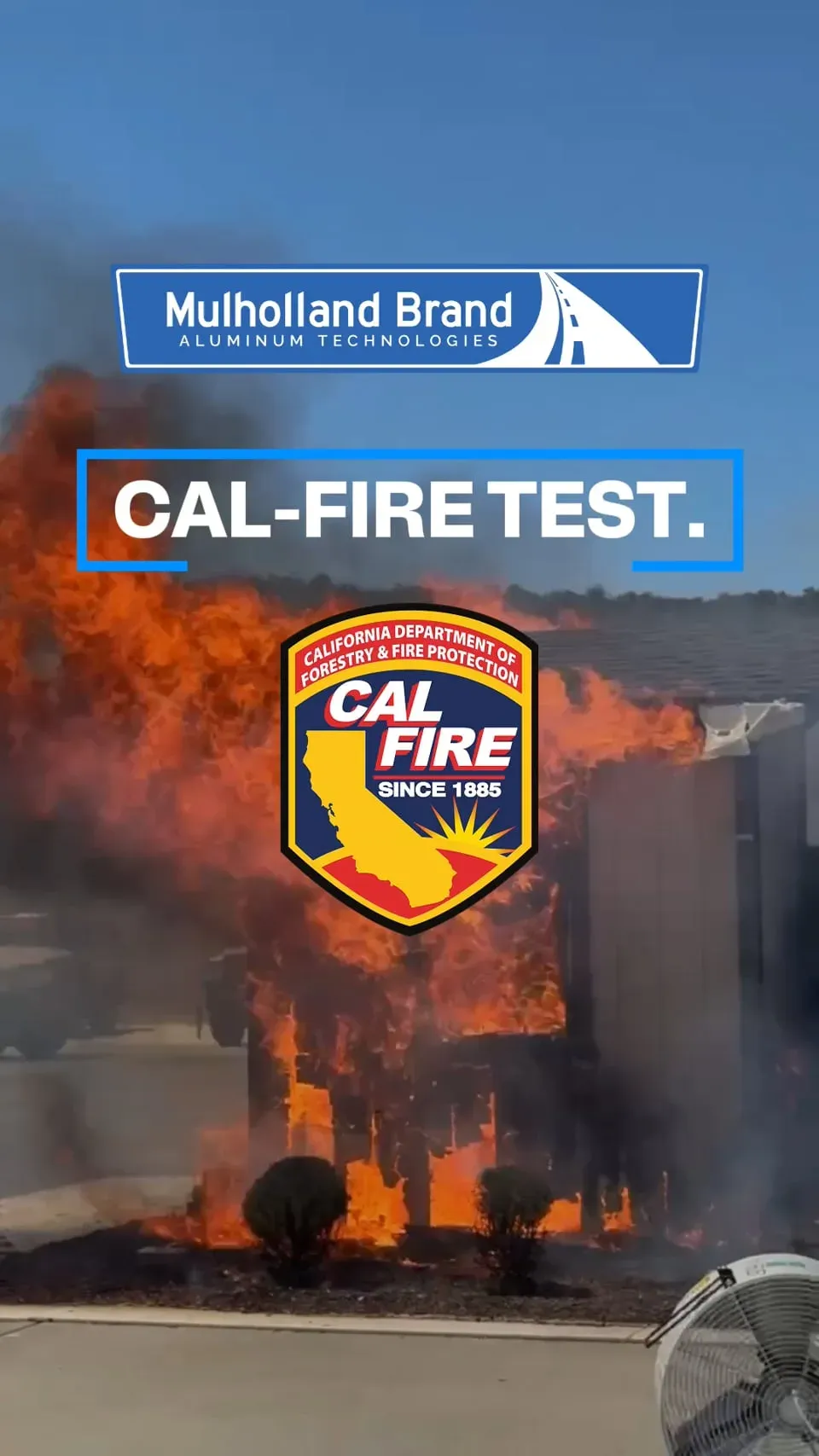
ASTM E136 is the standard that decides whether a material counts as non-combustible. It matters here because Zone-Zero is not asking a material to resist fire for a while. It is asking it not to ignite at all, so that an ember landing against your house finds nothing to start on.
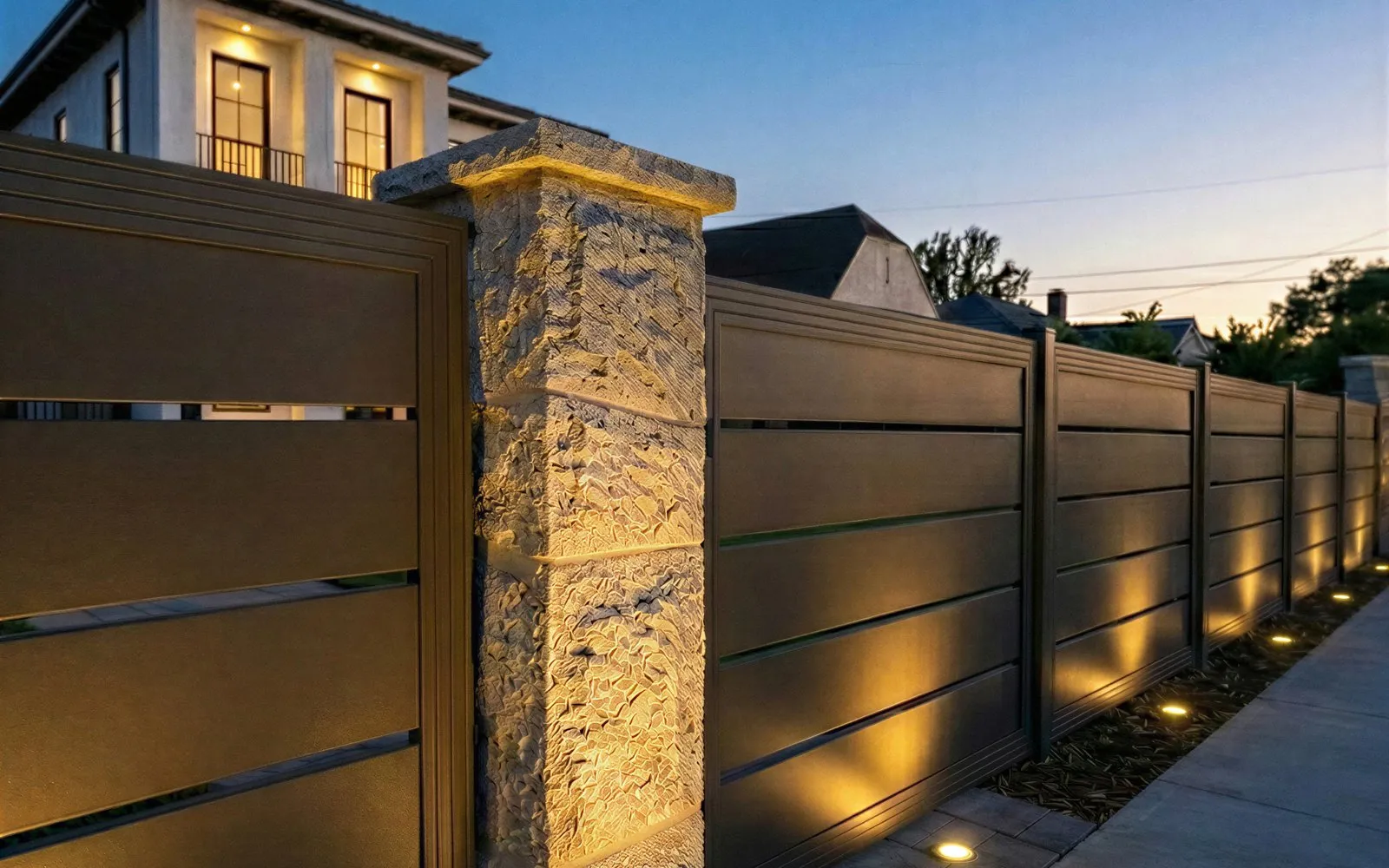 Aluminum
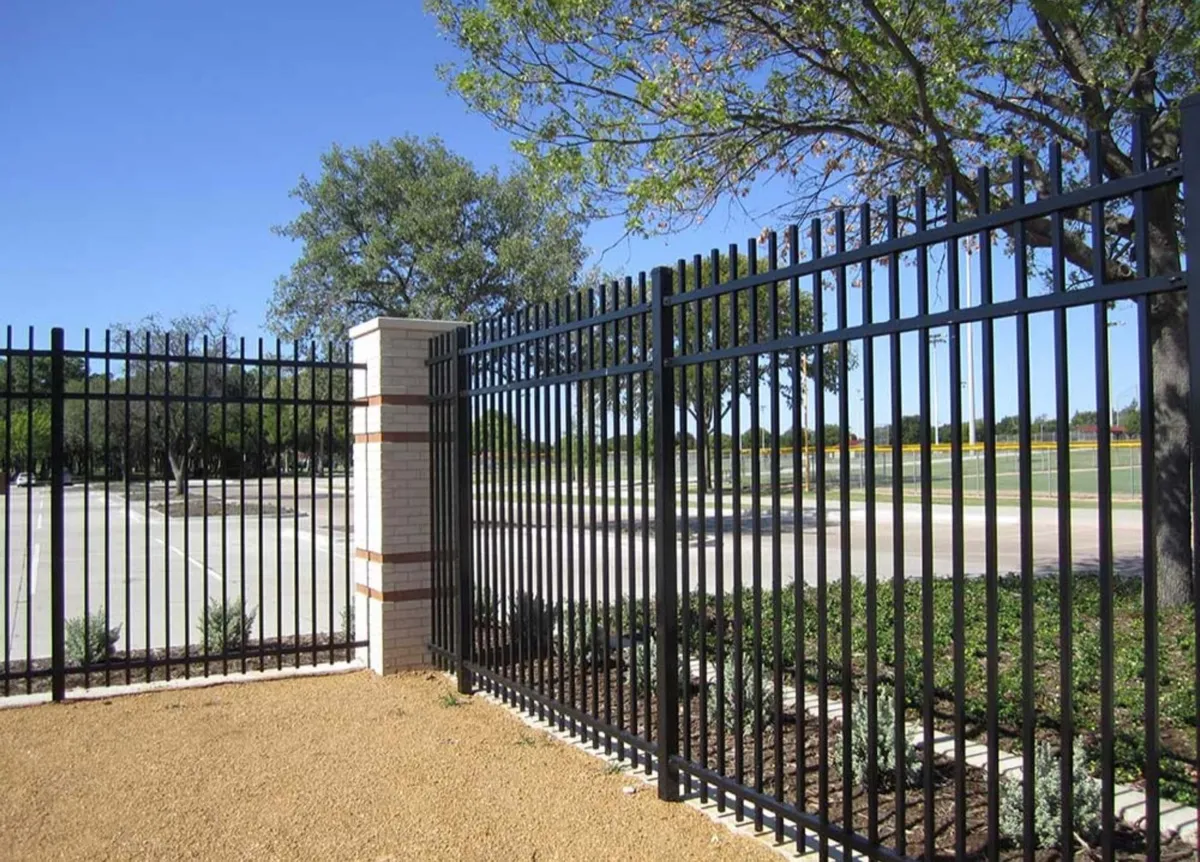 Steel
Steel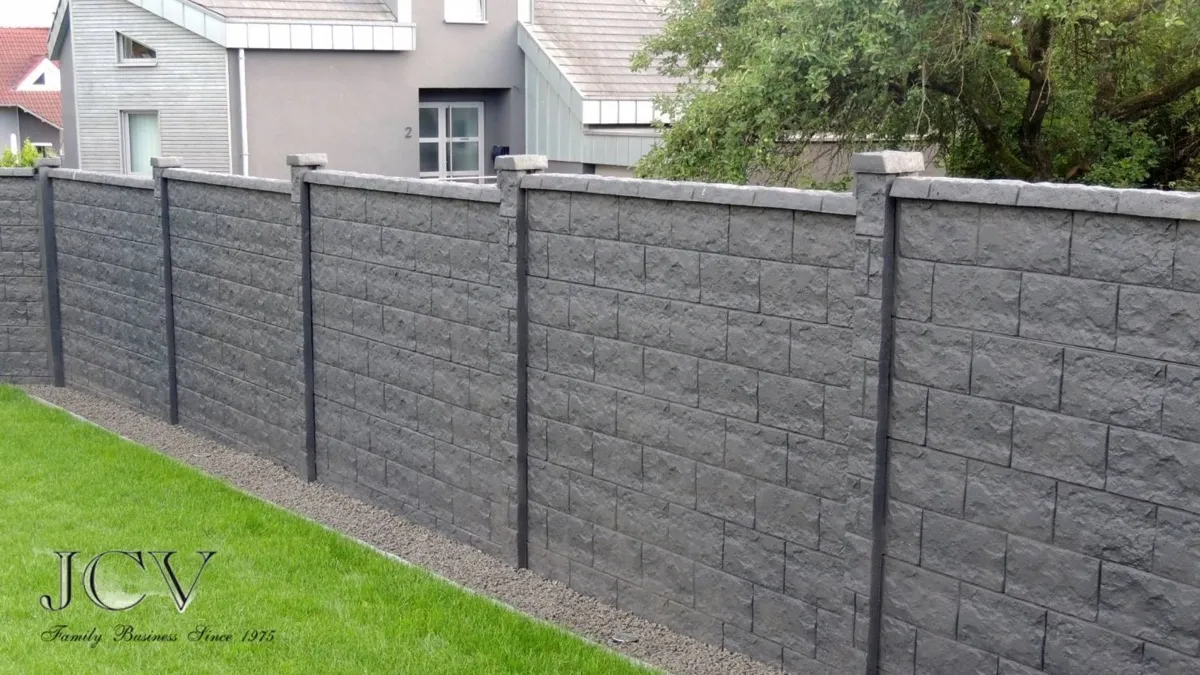 Concrete
Aluminum does not burn. CAL FIRE put Mulholland's aluminum systems through formal fire testing and selected our materials to be featured in its Zone-Zero compliance demonstrations.
Getting compliant
What actually has to change
For most properties this is a short list, and fencing is usually the largest item on it. It is also the one thing in the zone that is entirely a material choice.
- Walk the first five feet and list what is combustible: fencing, gates, mulch, planters, stored timber.
- Replace what will not pass, starting with anything physically touching the structure.
- Keep the zone clear as a habit, not a one-off. It fills back up with fuel on its own.
What insurers are asking
As wildfire risk gets priced more carefully, defensible space is turning up in underwriting. What follows is the trend as we see it. It is not advice about your policy, and your carrier is the only one who can tell you how they treat it.
Under review
Some carriers have begun asking about the first five feet during renewal, as part of a wider wildfire risk assessment.
Discounts, in places
A few offer a mitigation credit where defensible space is documented. It is not universal and it is not automatic.
Non-renewal
In the highest-risk areas, some carriers have declined to renew properties they assess as non-compliant.
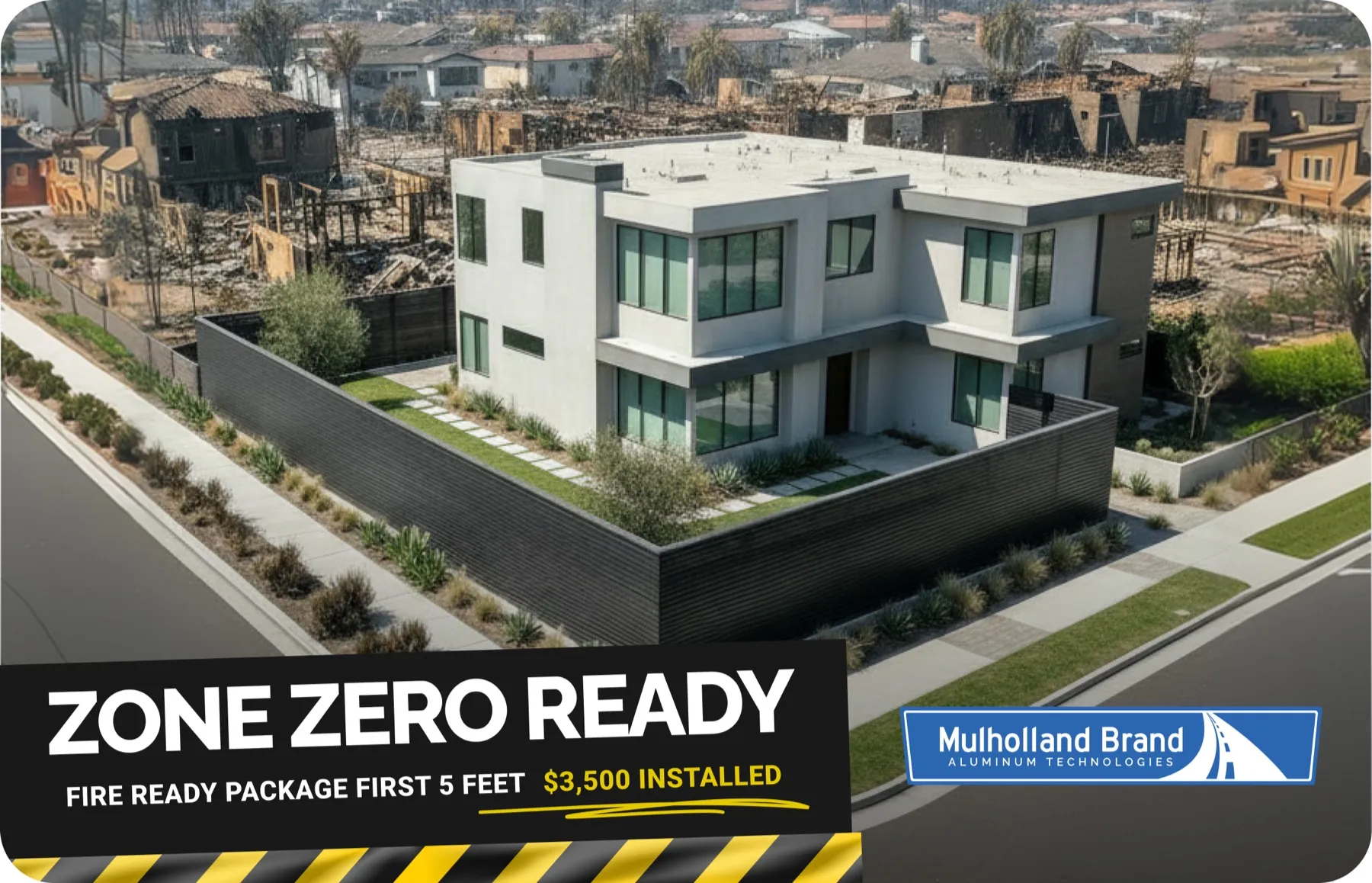
Fire ready package
A safety point for the first five feet
- 4ft x 6ft walk gate
- 1ft x 6ft aluminum panel
- Aluminum + Powder coated finish
Common questions
When does Zone-Zero become mandatory?
The California Board of Forestry and Fire Protection finalised the Zone-Zero rules in December 2025. Local enforcement begins in 2026 to 2027.
Most fire departments have signalled an education-first approach to begin with rather than penalties. Your county fire department is the one who can tell you the enforcement timeline where you live.
Source: California Board of Forestry and Fire Protection; Governor's Executive Order N-18-25.
What exactly is Zone-Zero?
Zone-Zero is the first five feet measured out from your home, and from any structure or deck attached to it. It is the most critical part of what the state calls defensible space.
It exists because of ember attack. Wind carries burning material well ahead of a fire front, and what those embers land on decides whether a house ignites. The zone calls for non-combustible materials, hardscaping, and removing fuel sources from that band entirely.
CAL FIRE puts it plainly: Zone-Zero extends 0 to 5 feet from your home, focusing on intense fuel reduction to protect against ember attacks. The first five feet from your home is the most important.
Source: California Board of Forestry and Fire Protection; CAL FIRE.
How is Zone-Zero different from Zones 1 and 2?
The three zones do different jobs, and they work as one system.
Zone-Zero, at 0 to 5 feet, is hardscape only. Vegetation and combustible items come out, and combustible fencing and gates are replaced with non-combustible ones. This is where embers are stopped, or where the rest stops mattering.
Zone 1, at 5 to 30 feet, is spacing and clearance. Branches pruned, dead growth removed, trees spaced apart and limbed up off the ground. It slows ember spread and direct flame.
Zone 2, at 30 to 100 feet, is fuel reduction — thinning, dead-tree removal, debris clearance. It creates the broader buffer that lowers the intensity of a fire approaching the property.
One local note: San Diego County requires 50 feet of clearance in Zone 1 rather than the 30-foot state minimum, so it is stricter than the state standard.
Zone-Zero is the decisive one, because the majority of home ignitions start in that first five feet and it is the only zone where the material itself settles the outcome.
Source: CAL FIRE Zone 0, Zone 1 and Zone 2 guidance.
What if my property does not comply?
It depends on your county and on how it chooses to enforce. Through 2025 most fire departments prioritised education over penalties, and that is still the general posture as enforcement begins.
What to expect as it does: local fire departments may issue notices requiring compliance, and penalties vary by county — your local fire department is the only reliable source for what applies where you live.
The insurance side is moving faster than the enforcement side. Some carriers have already declined to renew properties they assess as non-compliant, others are asking about the first five feet at renewal, and a few offer a credit where compliance is documented.
Source: CAL FIRE enforcement guidance.
Can I just clear the vegetation? Is that not enough?
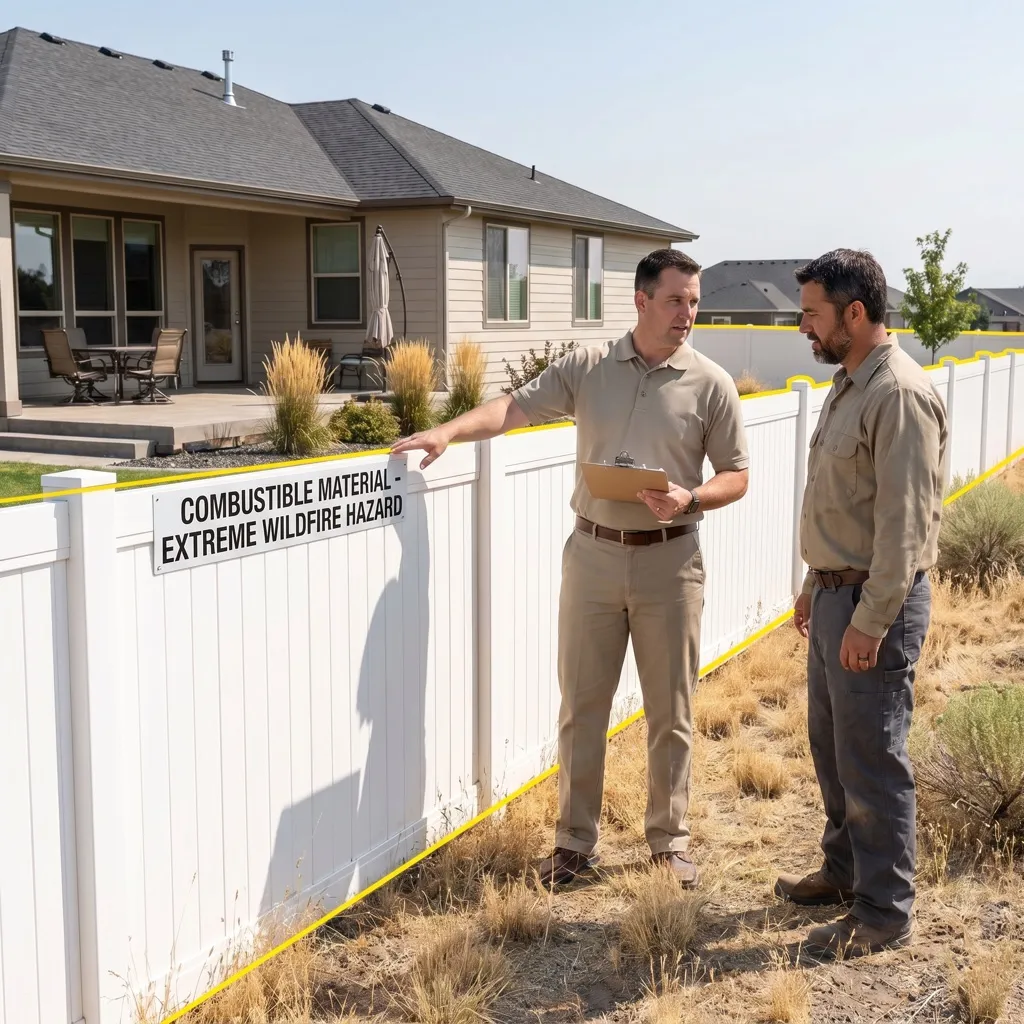
No. Clearing on its own does not meet Zone-Zero. The rule asks for non-combustible materials within five feet of the structure, so combustible fencing, gates, decking or stored items in that band still fail it however well the ground is cleared.
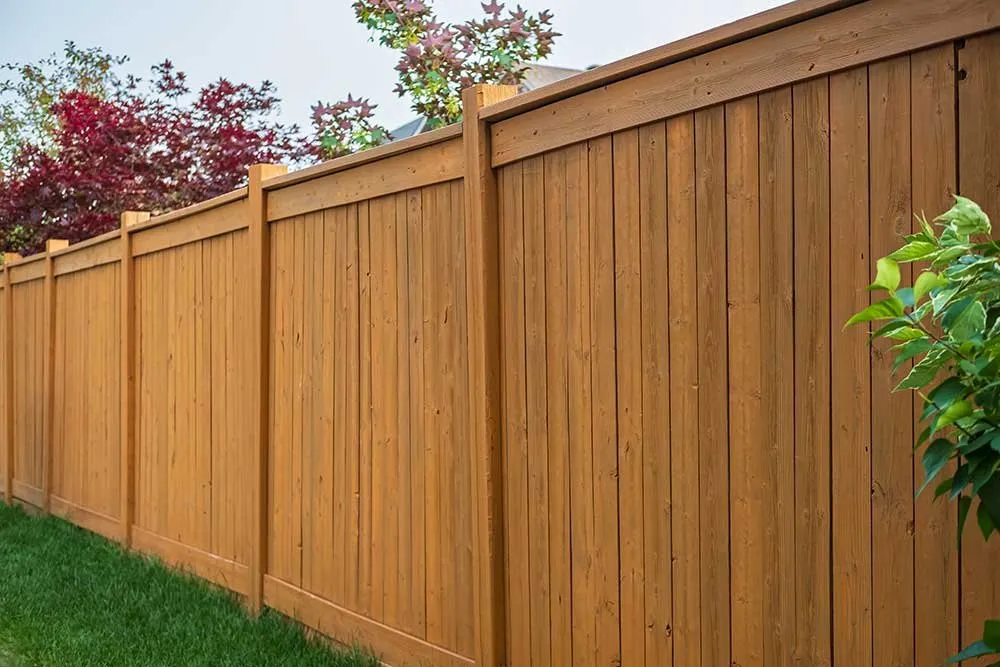
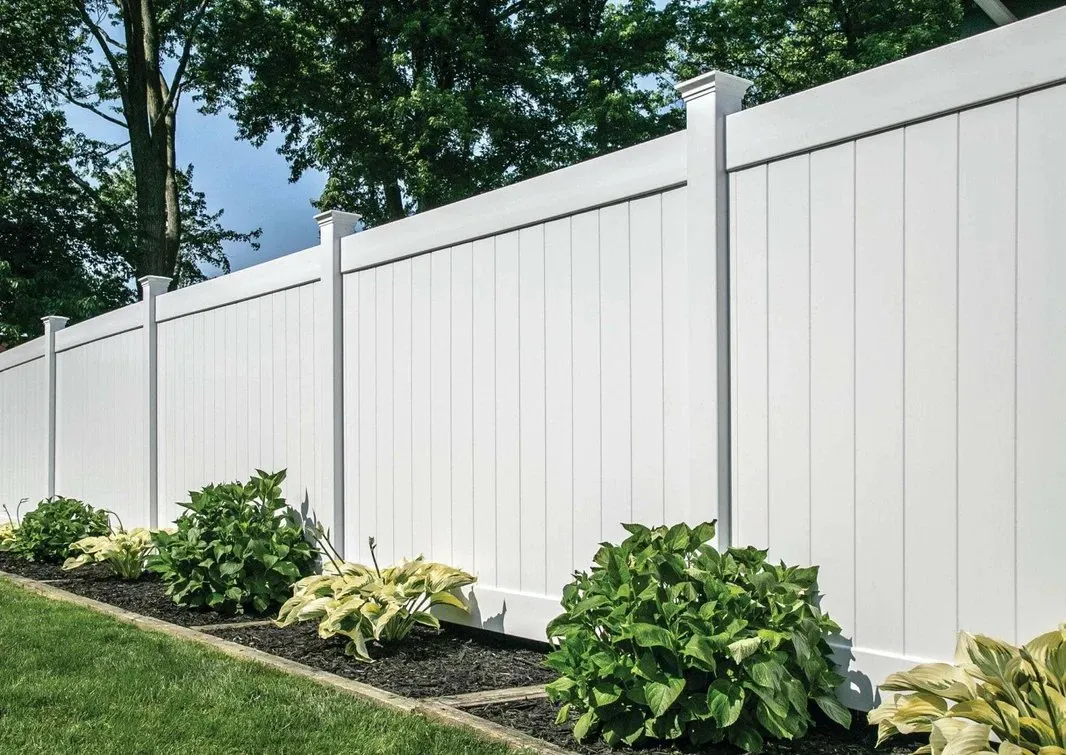
Cleared ground with a wooden fence running to the house: not compliant. Cleared ground with a vinyl fence: not compliant. Cleared hardscape with non-combustible gates and fencing: compliant.
Source: CAL FIRE Zone-Zero checklist.
Are there exceptions or variances?
The requirement is essentially the same statewide, but what sits on top of it is local.
Some counties are stricter — San Diego's 50-foot Zone 1 is the clearest example. Some cities and fire districts add their own codes. Homeowners' associations can and do enforce rules beyond the state minimum.
Variances do exist for terrain or for existing structures, but they are rare and they are granted locally. Your county fire department is who to ask.
To check what applies to you, start with your county fire department's website and the California Fire Hazard Severity Zone map, which will confirm the hazard zone your property sits in.
Source: CAL FIRE; local county fire departments.
Does this apply to rentals and commercial properties?
Yes. Zone-Zero applies across property types — single-family homes, rentals, commercial buildings, condominiums and townhomes, and multi-family complexes.
On a rental, the property owner is responsible for compliance. A tenant who spots a problem should raise it with the landlord rather than take it on themselves.
In a condominium or townhome, the association is typically responsible for common areas and the owner for the perimeter of their own unit. Your CC&Rs will say which is which.
Source: California Board of Forestry and Fire Protection.
Does my HOA enforce Zone-Zero?
It can, and many now do — often to a stricter standard than the state minimum.
Start with your CC&Rs, the covenants, conditions and restrictions that govern the association. Some have already been updated to require Zone-Zero compliance. Many associations also run an architectural review for gate and fence replacement, which is worth knowing about before you order anything.
Where your association requires more than the state does, its requirement is the one you have to meet.
Source: California HOA law; local association guidelines.
Will compliance lower my insurance premium?
Sometimes, but there is no guarantee and it varies a great deal by carrier and by county.
What we can say is that defensible space is turning up in underwriting. Some carriers have begun asking about the first five feet at renewal, a few offer a mitigation credit where it is documented, and in the highest-risk areas some have declined to renew properties they assess as non-compliant.
If you want to find out where your own carrier stands, ask your agent directly whether they offer a Zone-Zero or defensible-space credit, have your documentation ready, and get any commitment in writing before you spend money on the strength of it.
Your carrier is the only one who can tell you how they treat it on your policy. Nothing here is advice about your coverage.
Source: California Department of Insurance; individual carrier policies.
How much does compliance cost?
It varies widely, and anyone quoting you a single figure sight unseen is guessing. What drives it: the size of the property, what condition the first five feet are in already, which materials you choose, how much you do yourself, and local labour rates.
As a broad range, full compliance typically runs between $1,000 and $15,000. Clearing and hardscaping tends to fall between $500 and $3,000, non-combustible fencing between $2,000 and $8,000 depending on material and run length, gate replacement between $1,500 and $5,000, and professional services between $500 and $2,000.
There are ways to spread it. Clearing is the part most people can do themselves, and the work phases naturally — hardscape first, fencing and gates after. It is worth getting more than one quote.
These are typical ranges for the work, not a quote for your property. A design consultant will walk the first five feet with you and leave you with a measurement.
Not sure where your property stands?
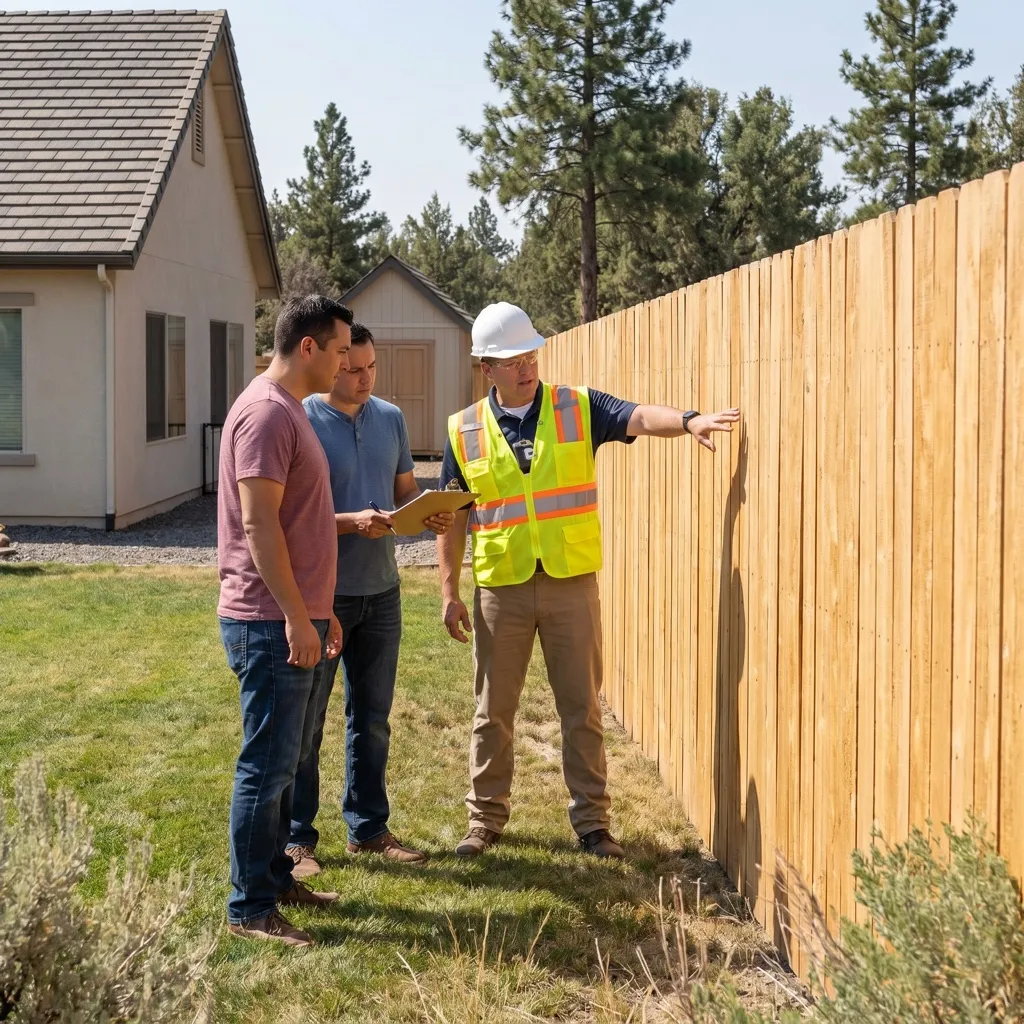
A design consultant will walk the first five feet with you, tell you what passes and what does not, and leave you with a measurement. Free, and on your property.